

The differences between the RCM certification in Australia and the SAA and C-Tick certifications
I. Introduction to RCM Certification in Australia and SAA/C-Tick Certifications
1. Australian RCM Certification
RCM (Regulatory Compliance Mark) is a registration mark that indicates that the supplier has declared that the product complies with the electrical safety laws/regulations of each state in Australia and New Zealand, as well as other safety and other requirements stipulated by these laws/regulations. It also complies with the electromagnetic compatibility requirements stipulated in the "Radio Communication Act" of Australia and the "Radio Communication Act" of New Zealand. Only when the product simultaneously meets the requirements of both the electrical safety regulations and the EMC regulations can the RCM mark be used.
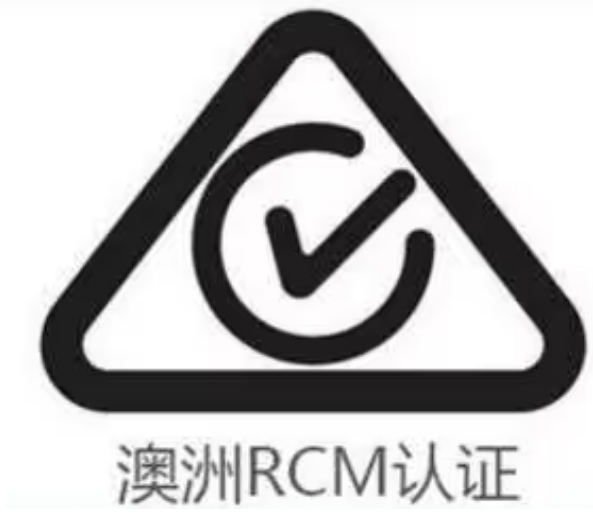
The applicable countries are:
Australia, Nauru, Fiji, Solomon Islands, Kiribati, Micronesia Federation, Tuvalu, New Zealand, Tonga, Marshall Islands, Vanuatu, Papua New Guinea, Samoa.
2. Australian SAA Certification
The SAA certification is a standard institution of Australia, under the umbrella of the Standards Association of Australia. Therefore, many people refer to it as the Australian certification. Electrical products entering the Australian market must comply with the SAA certification. The SAA logo mainly consists of two types: one is form approval, and the other is the standard mark. Form approval is only applicable to samples, while the standard mark requires each to undergo a factory inspection. The certification scope of SAA is mainly divided into quality management system; environmental management system; occupational health and safety management; information security management; and common product applications. The period for applying for the Australian SAA certification for common products is 3-4 weeks. If the product quality does not meet the standards, the period may be extended. If the transported product is not certified, it will be detained, confiscated, or fined.
3. Australian C-TICK Certification
C-Tick certification provides C-Tick test reports for the EMC certification project laboratories in Australia. Then, the Australian importers use these C-Tick test reports for registration. A/C-Tick is a certification mark issued by the Australian Communications Authority (ACA) for communication equipment. The EMC system in Australia classifies products into three levels. Before selling level two and level three products, suppliers must register with ACA and apply for the use of the C-Tick mark.
II. The Differences Among RCM, SAA and C-Tick
1. SAA is the safety certification that products entering the Australian market must obtain;
2. The purpose of C-Tick is to safeguard the resources of radio communication frequency bands. The implementation regulations it stipulates are somewhat similar to the EMC directive in Europe.
3. The purpose of the RCM mark is to combine the safety regulations and electromagnetic compatibility certification. Previously, in Australia, the safety regulations (SAA) and C-TICK were separately certified. Applications for SAA could be submitted by factories and traders from different countries, while the C-TICK registration entity was a legally registered company in Australia. Therefore, in the RCM application process, an Australian legal entity is required, which means that RCM is a certification model that requires an Australian company as the guarantee. For most products, obtaining the SAA certificate and EMC test report is necessary before they can be registered as an RCM certificate. It does not replace the SAA certification; it merely adds the requirements for EMC on the basis of the SAA certification.
4. The SAA certification and C-Tickr certification will be gradually phased out and replaced by RCM certification. This certification covers safety standards and EMC (while C-Tick may still apply to some low-power wireless products).
Related News






 Follow Us
 +86-755-82984733
 sales@ecmg-global.net