

New requirements for EU CE certification have come into effect
On July 16, 2021, the regulation EU 2019/1020, approved by the European Parliament and the Council of the European Union, came into effect. The new regulation clearly stipulates that any category of consumer goods entering the EU market must designate an economic operator within the EU as the person responsible for compliance of the goods. If no such designation is made, it will be regarded as illegal and will not be allowed to enter the EU market. The main products covered by this regulation include toys, electronic products, personal protective equipment, machinery, construction goods, gas equipment, recreational and private boats, pressure vessels, and measuring equipment, etc.
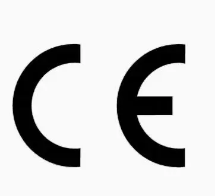
According to In Compliance Magazine, the current EU regulations stipulate that the responsibility for affixing the CE mark lies with the manufacturer of the goods. However, the manufacturer can entrust an authorized representative through a written contract to affix the CE mark on its behalf.
Once the contract takes effect, the responsibility for the validity of the CE marking shifts to the importer (or other authorized representative). The European importer is obligated to ensure the following: (1) The necessary conformity testing for the product has been carried out, (2) The necessary technical documents have been completed, (3) The CE marking has been properly affixed, and (4) The product is accompanied by the necessary documents.
Frequently Asked Questions Answering
Question: Does an "economic operator" necessarily have to have an entity within the territory of the European Union?
Yes. After the new regulations come into effect, enterprises outside the EU must have an economic operator based in the EU who has an actual economic operation there. This economic operator must have an office within an EU member state, not just having a contact email. The economic operator must be a natural person or a legal entity. The new regulations list in the annex the product categories that require an economic operator. In short, these requirements basically cover all common consumer goods, and they are mandatory for all products that need CE certification, such as toys and electronic and electrical products, etc.
According to Article 1 of the Annex to Regulation (EU) 2019/1020: "Authorized Representative" refers to a natural person or a legal entity established within the EU, who has received a written commission from the manufacturer and is entrusted by the manufacturer to comply with the relevant EU harmonized regulations or the provisions of this regulation, in order to fulfill the manufacturer's obligations.
2. Question: How to grant authorization to "economic operators"? How should the responsibilities and obligations be divided?
The EU has set strict requirements and obligations for authorized representatives. Firstly, manufacturers must authorize their representatives through a signed written authorization letter. If the EU authorities contact the authorized representative, the authorization letter must allow him to speak on behalf of the manufacturer. It should be noted that only the manufacturer can issue such authorization letters to the authorized representative, and distributors cannot do so. Once the authorization takes effect, the authorized representative will be legally responsible for product issues and will accept instructions from regulatory authorities or courts.
The economic operators have four obligations: Firstly, the economic operators must verify that the compliance statements and technical documents have been drafted, and they must keep the compliance statements for at least 10 years. Secondly, during these 10 years, if the EU market supervision authorities request it, the economic operators must provide these information to the relevant authorities within 10 days. Thirdly, if the economic operators are certain that the products are unsafe, they must contact the market supervision authorities proactively. Fourthly, the economic operators must cooperate with the market supervision authorities or take actions on their own to remove the unsafe products from the market or reduce the risks caused by the unsafe products in the market.
3. Question: What should we do if we can't find an authorized representative?
Manufacturers will be unable to sell their goods or provide services within the European Union. Manufacturers must appoint a representative who is an entity existing within the EU to respond to the enforcement requests of regulatory authorities; otherwise, the goods will be detained or returned.
That is to say, after the implementation of the new regulations, overseas economic operators must have an internal economic operator as their authorized representative in order to conduct business targeting EU consumers.
4. Question: How to create the corresponding CE marking? What are the consequences if there is an error?
The contact details of the EU representative should be indicated on the product, product packaging, package or accompanying documents. To distinguish between the manufacturer information and the EU representative information, you can add "Manufacturer" and "Authorized Representative" before the corresponding contact information respectively.
According to the German "Product Safety Law", improperly affixing the CE mark will bear the same criminal responsibility as not affixing the CE mark at all. The maximum penalty could be a fine of 10,000 euros imposed by the market authority. Additionally, the market supervision agency can take measures such as prohibiting the sale of the product.
According to the German "Anti-Unfair Competition Law", the Frankfurt Higher Regional Court ruled that merely posting the CE logo for promotion as "CE-certified" constitutes misleading advertising. The ruling stated that "CE-certified" would give consumers the false impression that the product has undergone independent third-party inspection, which violates the provisions of Chapter 5 of the aforementioned law.
5. Has the UK, which has left the EU, taken any relevant measures?
It should be noted that the UK (with Northern Ireland's recognition delayed by one year) has already started to recognize its own UKCA logo on January 1, 2021. The UKCA logo now requires a UK-based responsible person (UKRP) as a mandatory requirement, and the other regulations are largely similar to those in the EU.
The Northern Ireland region has not yet fully adopted the new UKCA logo. It will continue to use the old CE logo until January 1, 2022 (as planned), when the UKCA logo will be implemented.
Related News





 Follow Us
 +86-755-82984733
 sales@ecmg-global.net