

Resistance Welding - Electrical Fast Transient Burst and Surge Test
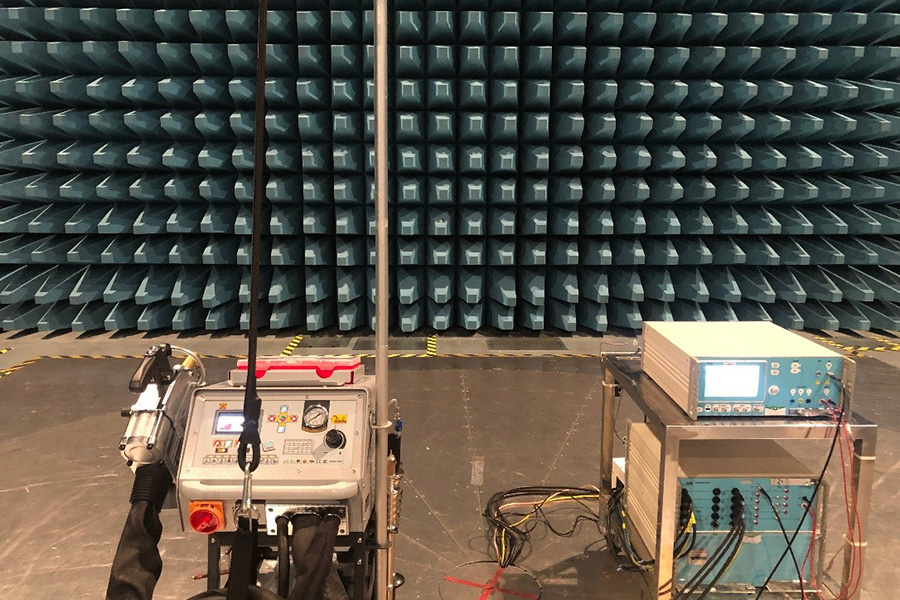
The Electrical Fast Transient/Burst (EFT/B) test and Surge (Impulse) test for resistance welding equipment are core items of the electromagnetic compatibility (EMC) immunity test for industrial-grade welding equipment.
They mainly simulate two typical transient disturbances in industrial power grids:
The EFT/B test targets high-frequency pulse interference caused by switching operations and relay chattering, while the surge test simulates strong transient overvoltage shocks generated by lightning induction and grid switching.
Both tests jointly verify the stability of the control system and power modules of resistance welding equipment in complex industrial power grid environments, so as to avoid issues such as welding parameter drift, false triggering, shutdown, and even component damage.
Related Cases
-
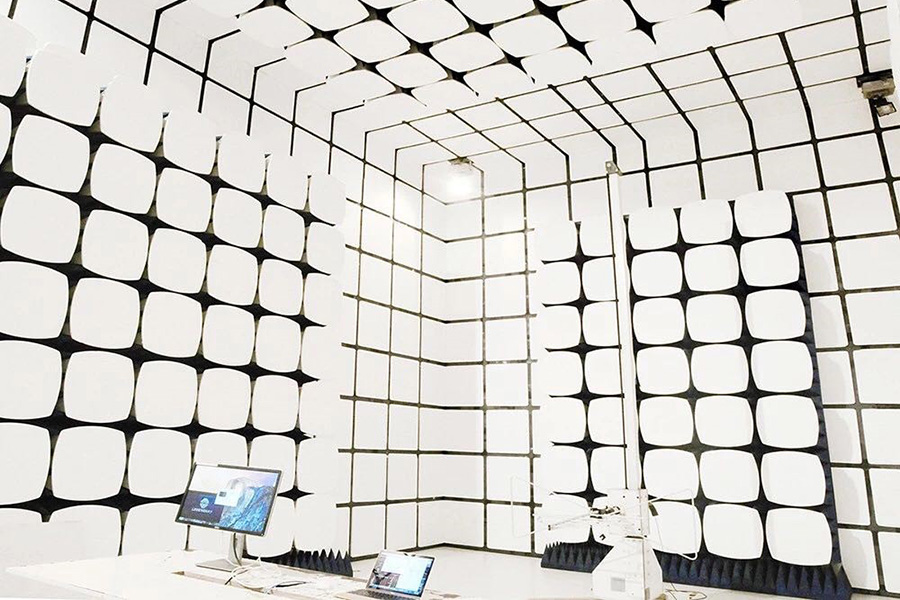
Radiation – 3-Meter Method Anechoic Chamber – Radiation Test for ITE Equipment
ITE stands for Information Technology Equipment, such as computers, servers, printers, routers, switches, etc. The 3-meter method radiated emission test in an anechoic chamber, fully known as Radiated Emission (RE) test, is a core item of electromagnetic compatibility (EMC) certi...View Details + -
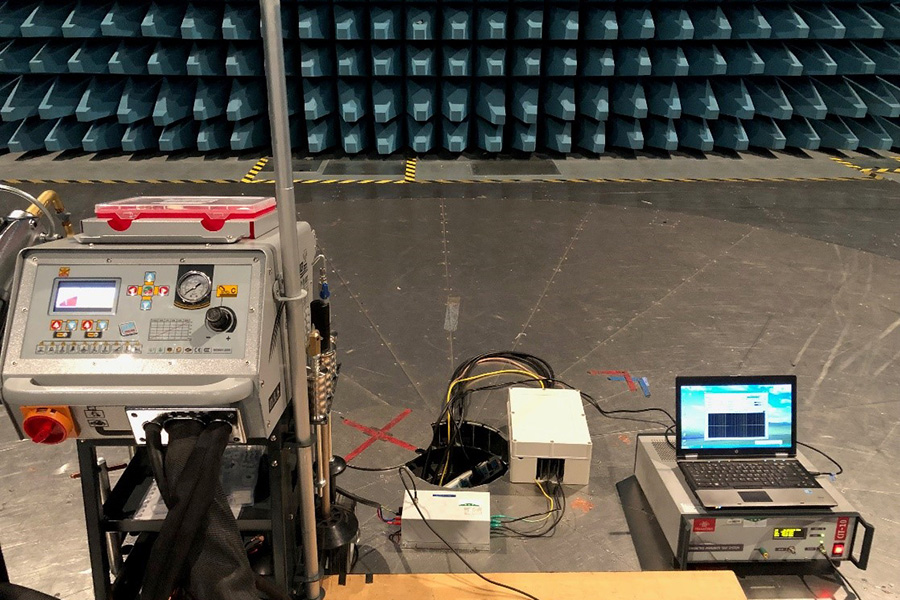
Resistance Welding - Conducted Immunity Test
The conducted immunity test for resistance welding equipment is a core electromagnetic compatibility (EMC) test. It verifies the ability of resistance welding equipment (including spot welding, seam welding, projection welding, etc.) to resist radio frequency interference signals...View Details + -
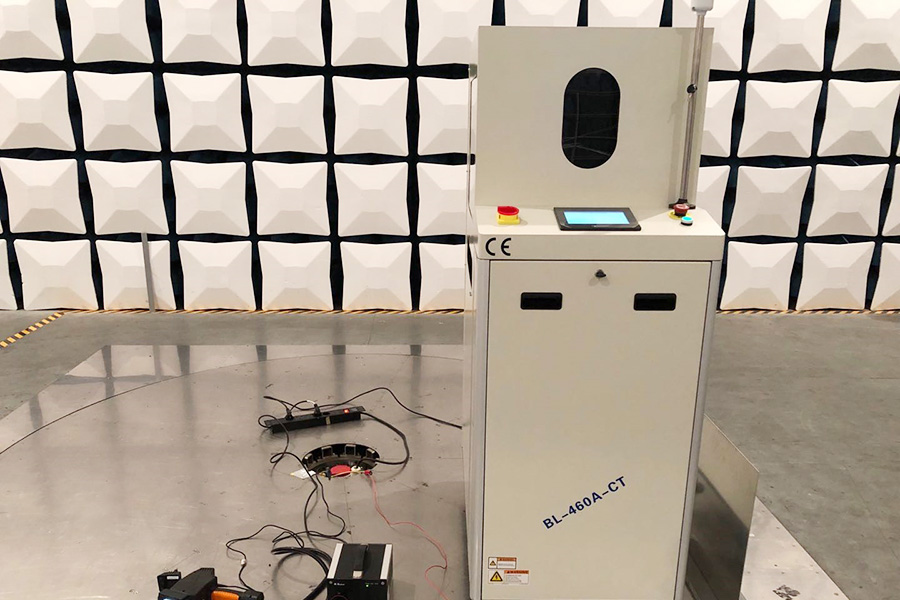
ESD Test
ESD test refers to the Electrostatic Discharge test, a core part of electromagnetic compatibility (EMC) testing. It is used to evaluate the immunity and operational stability of electronic and electrical equipment when subjected to electrostatic discharge interference, so as to e...View Details +

 Follow Us
 +86-755-82984733
 sales@ecmg-global.net